



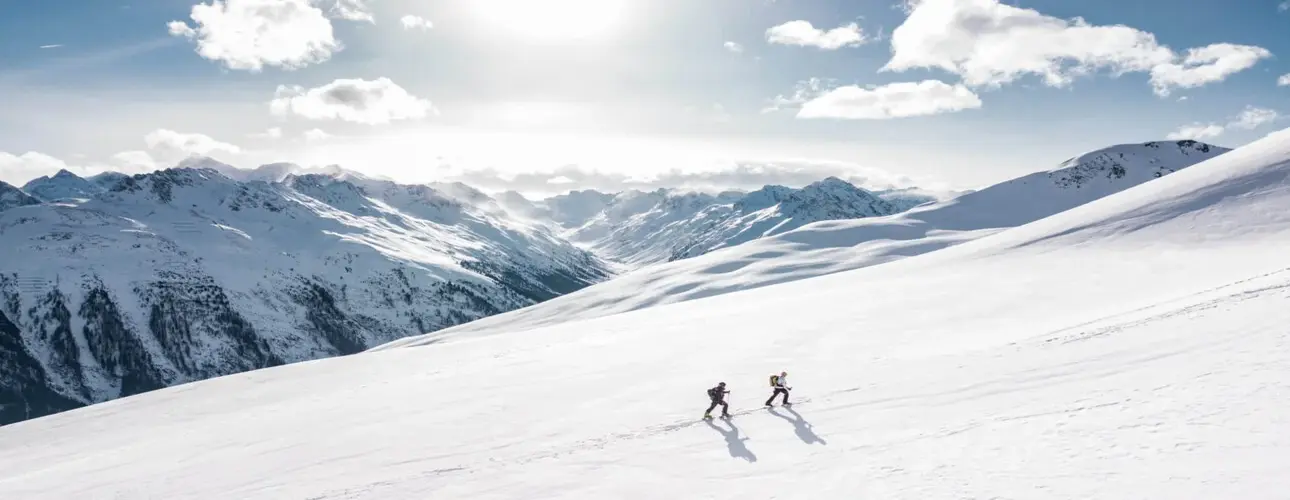
Everest Base Camp Trekking in Nepal
Few adventures in the world capture the spirit of exploration quite like the Everest Base Camp Trek in Nepal. Standing at the foot of the world’s highest peak — Mount Everest (8,848.86 m) — this journey is a blend of natural beauty, cultural encounters, and personal triumph. It’s not just a trek; it’s an unforgettable experience that brings travelers closer to the heart of the Himalayas.
1. The Route to the Roof of the World
The classic Everest Base Camp (EBC) route begins with a thrilling flight from Kathmandu to Lukla, landing on one of the world’s most dramatic airstrips. From there, the trail winds through Sherpa villages, rhododendron forests, suspension bridges, and rugged mountain paths, leading gradually to the base of the mighty Everest.
Key stops along the route:
-
Phakding – A peaceful village by the Dudh Koshi River.
-
Namche Bazaar – The vibrant Sherpa capital and gateway to Everest.
-
Tengboche Monastery – The spiritual heart of the Khumbu region, offering panoramic views of Everest, Ama Dablam, and Lhotse.
-
Dingboche & Lobuche – High-altitude settlements surrounded by glaciers and snow peaks.
-
Gorak Shep & Everest Base Camp (5,364 m) – The journey’s ultimate destination, where trekkers stand beneath the shadow of the world’s highest mountain.
Optional highlight:
A sunrise hike to Kala Patthar (5,545 m) offers the most spectacular close-up view of Mount Everest — glowing golden under the first light of dawn.
2. Experience Sherpa Culture & Himalayan Hospitality
Beyond its landscapes, the Everest region (Khumbu) is rich in Sherpa culture — known for their resilience, kindness, and spiritual depth. Along the trail, travelers can visit Buddhist monasteries, spin prayer wheels, and witness the daily rhythms of mountain life. Staying in traditional teahouses allows trekkers to enjoy warm hospitality, simple yet hearty meals, and cozy conversations by the fire.
3. Physical Challenge, Mental Reward
The trek to EBC is moderately to highly challenging, depending on pace and preparation. Days are filled with long uphill climbs, thin air, and shifting temperatures — but every step rewards you with stunning Himalayan vistas and a deep sense of accomplishment.
Trek duration: 12–14 days on average
Maximum altitude: 5,545 m (Kala Patthar)
Best seasons:
-
Spring (March–May): Clear skies, rhododendron blooms, and comfortable temperatures.
-
Autumn (September–November): Crisp weather and outstanding visibility.
4. Essential Tips for Trekking to Everest Base Camp
-
Acclimatize properly: Spend extra nights in Namche and Dingboche to adjust to altitude.
-
Train in advance: Build endurance with cardio and strength training before your trek.
-
Pack wisely: Layers, trekking poles, a good sleeping bag, and sturdy boots are must-haves.
-
Stay hydrated & eat well: Proper nutrition and water intake are key to preventing altitude sickness.
-
Trek responsibly: Respect local culture, avoid littering, and support eco-friendly lodges.
5. A Journey That Changes You
Standing at Everest Base Camp is more than reaching a destination — it’s a celebration of perseverance, humility, and awe. The vast glaciers, fluttering prayer flags, and towering peaks remind every traveler of nature’s grandeur and humanity’s small but powerful place within it.
Whether you’re a seasoned adventurer or a first-time trekker, the Everest Base Camp Trek offers an experience that stays with you for life — a personal pilgrimage to the top of the world.

